Mastering Ring Sizes: How to Measure, Convert, and Choose
Mastering Ring Sizes: How to Measure, Convert, and Choose
August 7, 2024
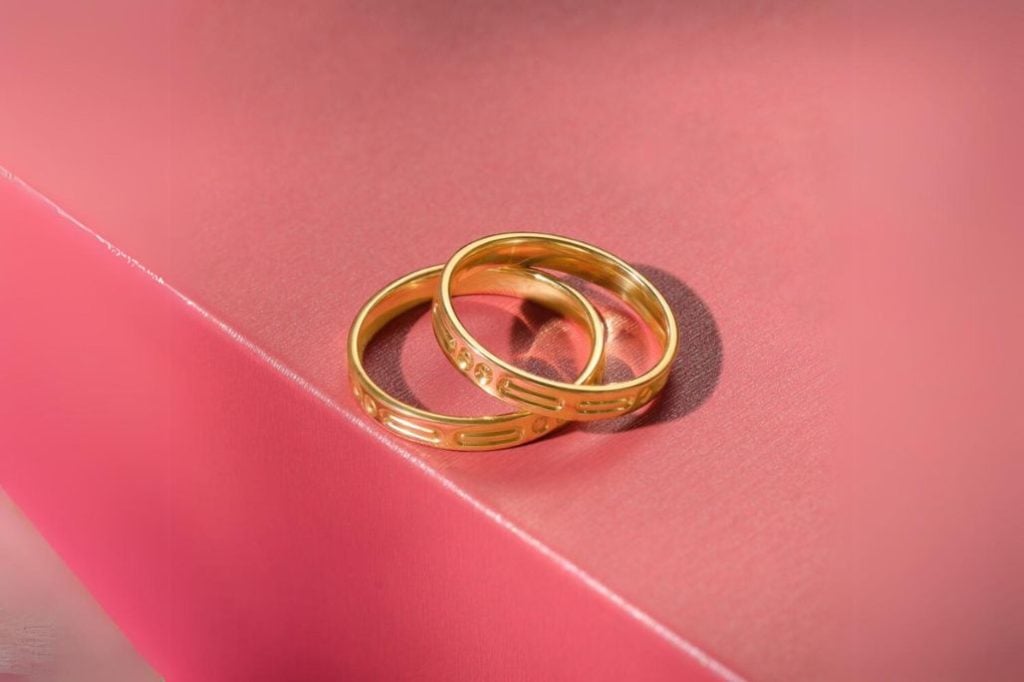
Choosing the perfect ring often involves more than just style; it requires getting the size just right so you can aesthetically wear and stack your jewel as well. Navigating the world of ring sizes can be a daunting task, whether you're shopping for an engagement ring, a wedding band, or a special gift. Understanding the nuances of ring sizing is essential to ensure a perfect fit and to avoid any last-minute resizing hassles.
Understanding Ring Size Charts
A ring size chart is a valuable tool that correlates finger circumference with ring size. While there are different sizing systems used worldwide (US, UK, EU, etc.), the core concept remains the same: measuring the diameter of your finger to determine the corresponding ring size.
Women's and Men's Ring Size Charts: It's important to note that there are general averages for women and men, but individual variations are common. Finger size can be influenced by factors like body temperature, time of day, and even which hand you prefer to wear the ring on.
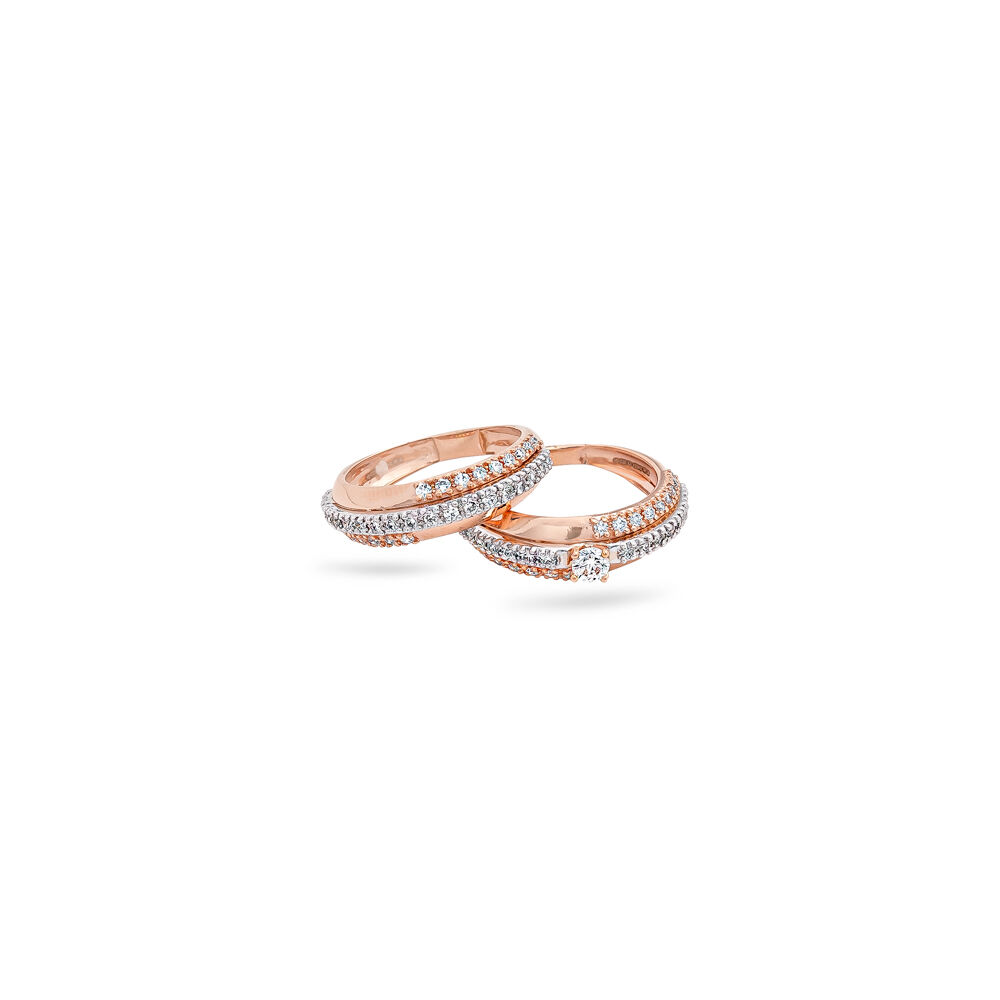
How to Measure Your Ring Size
Accurately measuring your ring size is crucial. Here are some methods:
Measure an Existing Ring: Use a ring sizer tool available at most jewelry stores. If you don't have a sizer, you can use a piece of string or thread. Place the string at the center of the ring to get the exact diameter, mark the ends, and then check what size corresponds to the diameter.
Measure Your Finger Directly: Wrap a soft measuring tape around the base of your finger. Ensure that it is snug but not tight. Alternatively, use a strip of paper, mark the overlap, and measure the length.
Factors Affecting Ring Size
Finger Shape: Some fingers are tapered, while others are more uniform. This can influence the ideal ring size.
Finger Temperature: Fingers tend to be slightly smaller in colder temperatures.
Swelling: Factors like pregnancy, hormonal changes, or arthritis can cause temporary finger swelling.
Ring Style: Certain rings are worn closer to the nail, have multiple loops, or dynamic fittings. Depending on the style and position, the size may vary.
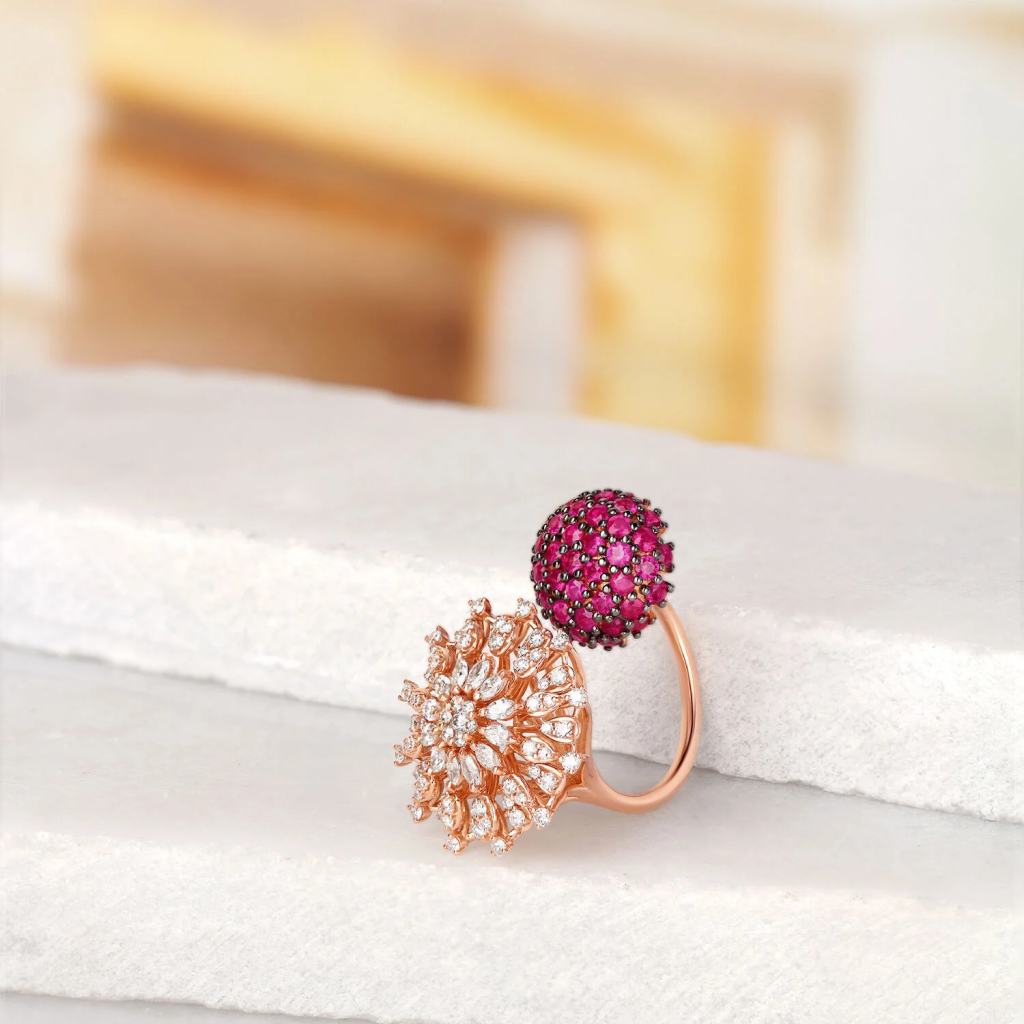
Tips for Choosing the Right Ring Size
Consider the Ring's Material: Some metals, like platinum, might feel slightly tighter than others.
Allow for Comfort: A ring should fit snugly but comfortably. It shouldn't be too loose or too tight.
Professional Sizing: If you're unsure, consult a jeweler for professional sizing.
Additional Tips
Multiple Fingers: If you plan to wear the ring on different fingers, consider getting it sized for the finger with the largest circumference.
Ring Resizing: Most rings can be resized, but it's generally best to get the size right from the start.
By following these guidelines and carefully measuring your finger, you can increase your chances of finding the perfect ring size. Remember, a well-fitting ring enhances the beauty of the piece and ensures your comfort.

Search with an image and find the same or similar jewelry.
The file size should not exceed 6 MB
File size exceeds the limit