The Master Guide to Indian Jewelry: Essential Styles for Men and Women
The Master Guide to Indian Jewelry: Essential Styles for Men and Women
August 21, 2026
-
Indian jewelry isn't just about gold, it’s a living map of regional art and history, acting as a powerful "tie back to tradition" for every wearer. If you are buying for the first time or looking to diversify your collection, you need to know exactly what you’re looking at in this vast ecosystem of distinct art forms and social signals.
Here is the expanded breakdown of specific Indian jewelry for men and women, categorized by the craftsmanship and the body part they adorn.
The Women’s Checklist: From Head to Toe
The beauty of Indian jewelry lies in its "60:40 split" - pieces that are 60% traditional in soul but 40% modern in their wearability.
1. The Head: Maang Tikka, Matha Patti, and Beyond
● Maang Tikka: A single focal pendant worn at the hair's parting, often used as a hero piece for festive events.
● Matha Patti: An extension of the Tikka with side bands that frame the forehead, serving as a "Jewel of Royalty" that makes a massive statement for weddings.
● Rakhdi Tikka: A traditional bell-shaped or dome-like ornament originating from Rajasthan, offering an honest and rustic charm.
● Passa/Jhoomar: A side-head ornament with Mughal origins that adds an asymmetrical, elevated vibe to any look.
2. Facial Accents: Noses & Ears
● Indian Nose Rings (Naths): The Indian Nose rings category is incredibly diverse. You have the Nathni (a delicate, small ring) and the smaller Mookkuthi or nose stud. For daily wear, a minimalist diamond nose stud is the perfect touch.
● Jhumkas & Chandbalis: Jhumkas are bell-shaped, Chandbalis are crescent moon-shaped. If you want a timeless sparkle, look for diamond-heavy versions of these classic silhouettes that offer accessible luxury.
3. The Neck: Chokers to Rani Haars
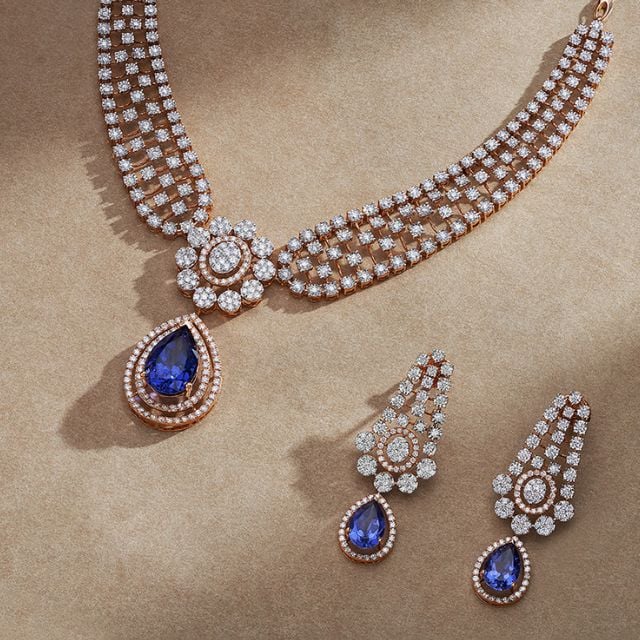
● Indian Diamond Necklace: This is your most progressive and versatile investment. A sleek Indian diamond necklace can transition from a traditional ensemble to western wear, giving you that chic feel.
● Sitahar: A long, grand necklace that traditionally sits lower on the chest, often featuring a confluence of craftsmanship from across the nation.
● Vanki: While often an armlet, certain Vanki styles are being reimagined as structured chokers for an elevated look.
4. Hand & Feet
● Hathphool: A "hand-flower" that connects a wrist bracelet to your rings via delicate gold chains, highlighting the intricate, back to tradition focus of the hands.
● Payal & Bichhiya: Anklets and toe rings. Traditionally silver to balance energy, these are symbols of groundedness.
The Men’s Edit: Bold & Unafraid
Modern Indian men's jewelry is about reclaiming "Regal Masculinity" with pieces that are unafraid to make a statement.
1. Neckwear & Torso
● Kantha & Malas: Long strands of emeralds or pearls. These are the foundation for formal occasions, creating a sense of unity.
● Sarpech & Kalgi: Turban ornaments that modern men are now repurposing as statement brooches for blazers.
● Chains: For daily wear, solid gold or textured links offer a masculine accessible luxury.
2. Wrist & Hand
● Kadas: A solid, heavy metal bangle that is the most iconic type of jewelry for men, representing strength.
● Signet Rings: Often set with a single high-point diamond or an astrological stone, these rings are a reflection of personal identity.
● Functional Accents: Artisanal Kurta buttons and cufflinks add a layer of sophistication to any festive look.
Understanding the Craft: Jadau, Polki, and Temple
When you buy Indian jewelry, you are investing in a specific art form.
● Jadau: A painstaking artisanal endeavor where stones are set into gold without soldering. It is an age-old craft introduced by the Mughals and perfected by the artisans of Rajasthan, offering a look that is rustic yet sophisticated.
● Polki: These are natural, uncut diamonds that retain their organic raw beauty. Often referred to as "Jewels of Royalty," heavy necklaces consisting of Polki frequently feature a threaded rope clasp known as a Sarala.
● Temple Jewelry: Originating from South India, these are heavy, matte-gold pieces featuring intricate carvings of deities, peacock motifs, and floral patterns.
● Meenakari: The art of enameling metal with vibrant colors. Look for it on the back of pieces to see a real mark of the karigar’s skill.
How to Actually Buy
When you’re looking at Indian jewelry, stop looking for perfect and look for real. The charm of craftsmanship is in its emotional and insight driven human touches.
1. Trust the Source: Always look for proper hallmarking to ensure your purchase is honest and consumer-first.
2. Think Layering: Don't buy one massive set. Buy pieces separately so you can own it and flaunt it by mixing and matching for different occasions.
3. Choose Your Vibe: Whether it’s a delicate Indian Nose ring for a regular day or a grand Indian men's jewelry set for a wedding, the goal is to discover your crown and feel like the most elevated version of yourself.
Conclusion: Discovering Your Own Crown
In the vast world of Indian jewelry for men and women, your choice should never be jargon driven or purely aspirational. Instead, it should be an experience that feels warm and deeply personal. Whether you are drawn to the bold and unafraid nature of modern diamond pieces or the deep-rooted tradition found in handcrafted heritage jewels, by understanding the "60:40 split" of tradition and contemporary design, you can build a collection that isn't just beautiful and chic, but serves as a narrative of your own story.

Search with an image and find the same or similar jewelry.
The file size should not exceed 6 MB
File size exceeds the limit