A highlight of the most popular diamond ring settings
A highlight of the most popular diamond ring settings
November 13, 2023
When it comes to diamond rings, a lot of attention goes to elements like cut, color, clarity, and carat. Sure, you might have picked a diamond with a good balance of between the 4, but all that can be lost if you don't place the stone in a way that highlights it the best. This is where Setting comes in. The right ring setting can transform a design from beautiful to iconic. It ensures that a diamond is displayed in all its brilliance and can even enhance it!
So, if you're looking to figure out which ring setting works best or are simply in the mood to take a tour in the realm of celebrated fine jewelry, we've listed out some of the most iconic diamond ring settings that have set trends.
Decadence Across Decades
The thing about trends is that they keep repeating. Be it a few decades ago or just this summer, you’re bound to make the most of your statement jewels each time. Especially if you curate your collection with a variety of designs. So, go ahead and take inspiration from some of these iconic settings and build your box of jewelry by incorporating your favorites that have always been in style!
Bezel Setting
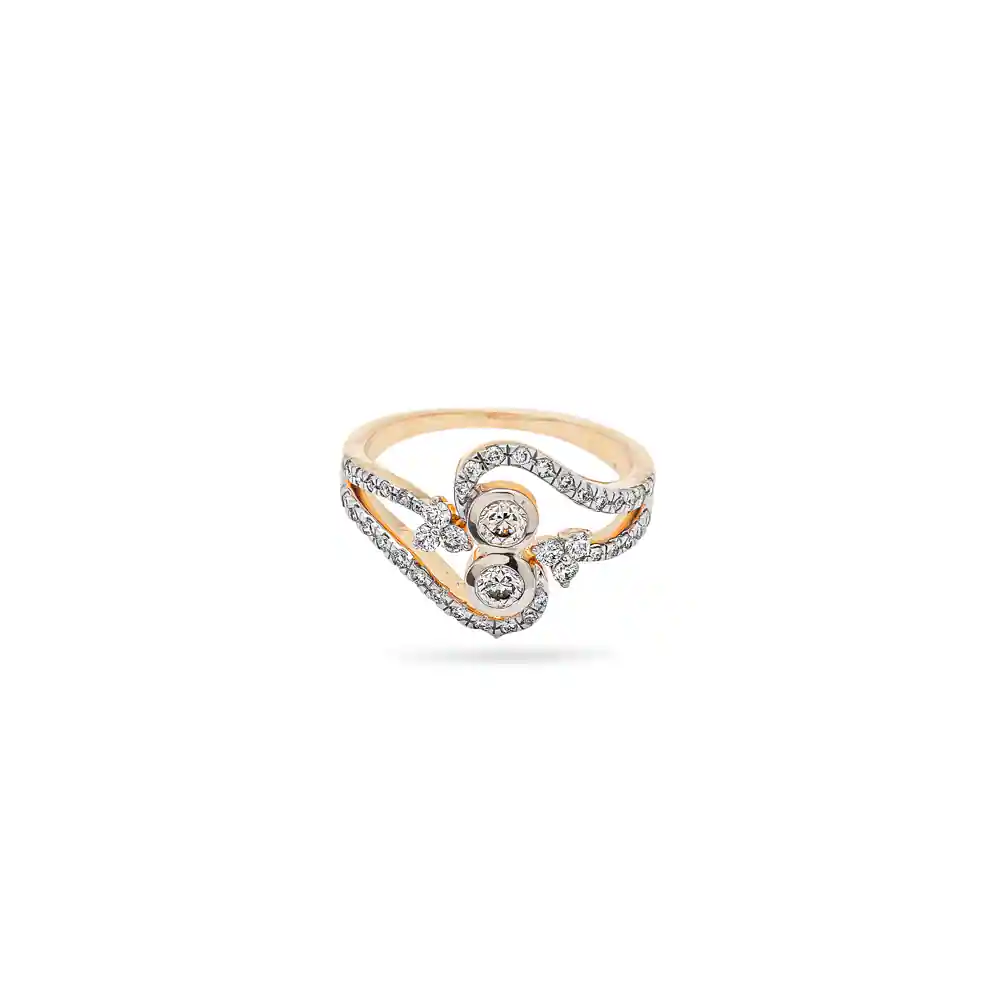
Starting off with one of the oldest settings in the world, the Bezel Setting has been around for 100s of centuries. Yet, it is still a coveted setting for diamond rings. Celebrities have had a special appreciation for it, the latest example being the engagement ring of Lily Collins, who plays a certain American in Paris. The Bezel is not just reserved for diamond rings, even Princess Leia's Lapis Lazuli ring uses this sturdy setting!
Cluster Setting
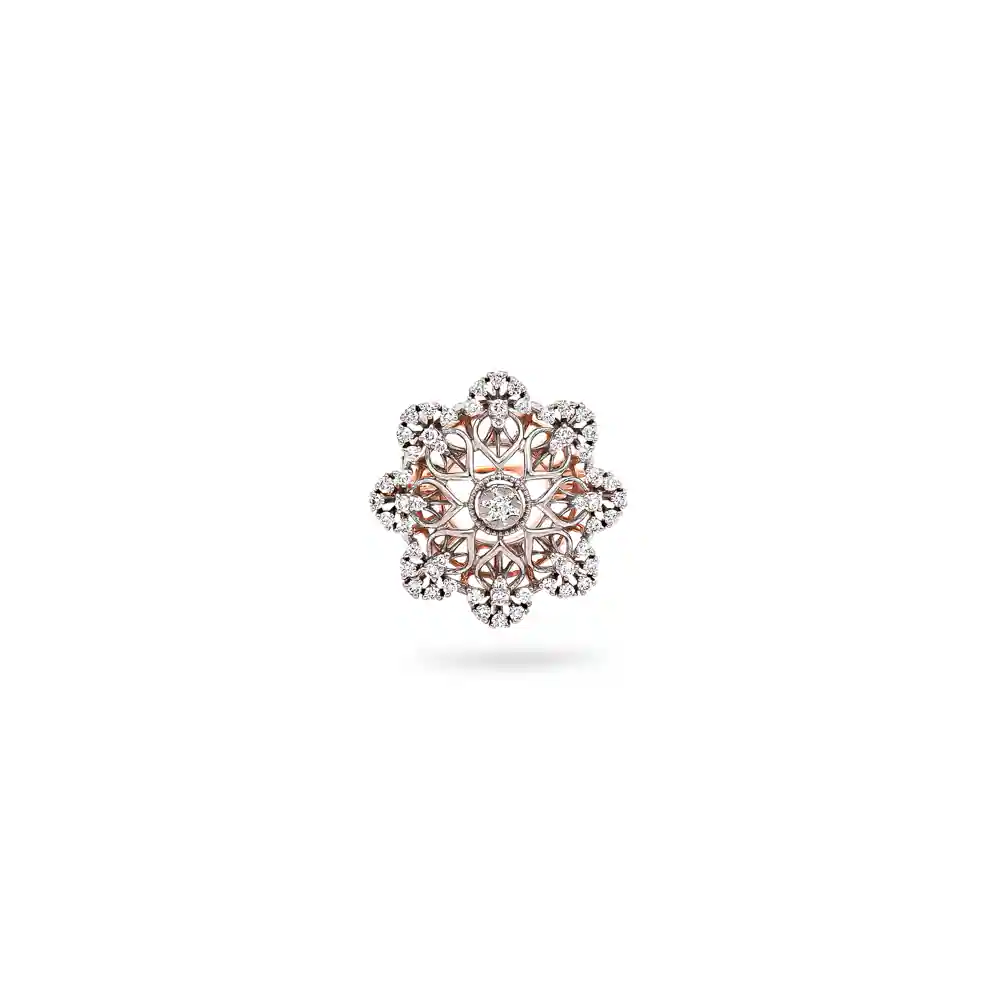
Moving onto the Victorian era where Cluster Settings were all the rage when it came to diamond rings. This setting involves placing smaller diamonds closely together bringing an illusion of a larger, chunkier design. The trend came back in the 80s with much larger and more vibrant displays of stones, making it an ever-evolving statement.
Pavé Setting
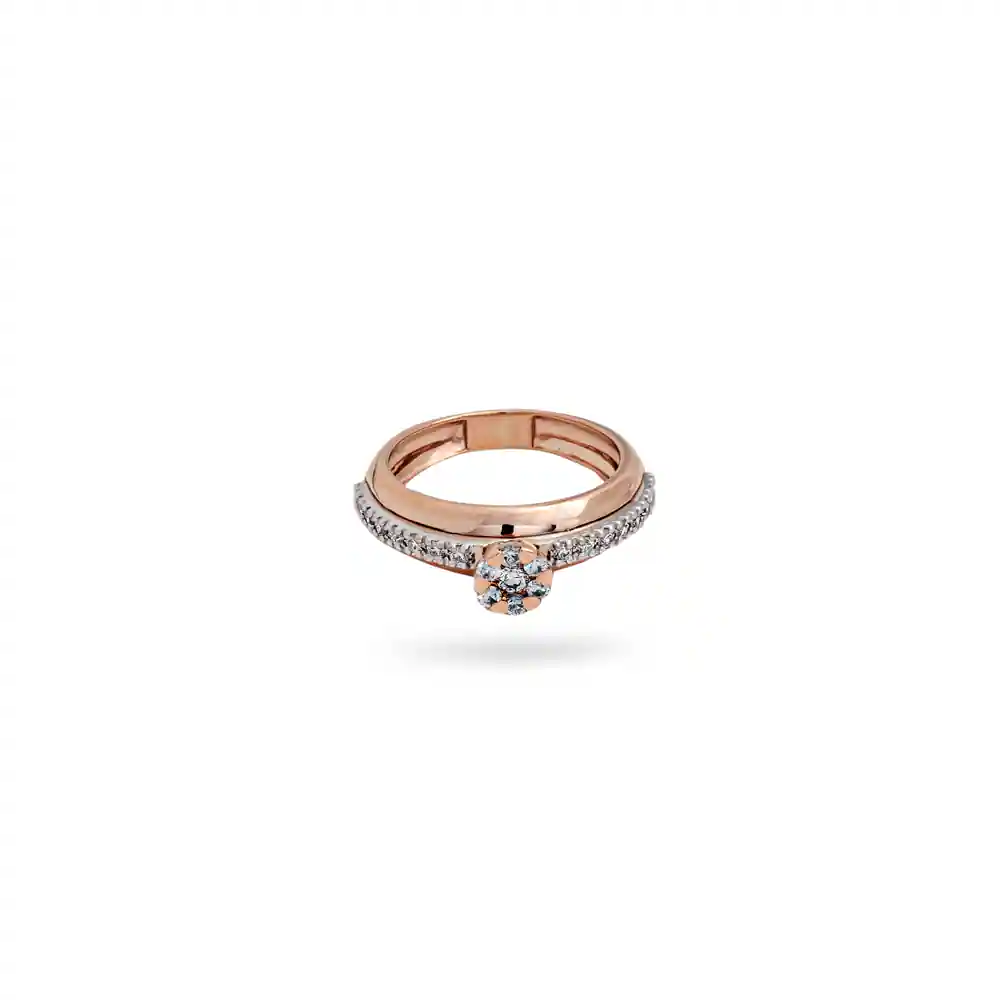
The Edwardian age ushered in this much-loved setting. Pavé Set diamond rings are a classic and are quite common because of their wide appeal. With Pavé Settings, you can work with many intricate and interesting designs as it calls for a 'paved' look of small diamonds set around the band. This is one setting that easily complements many other types of settings, as seen on Blake Lively's engagement ring, which features a micro-pavé band that holds an oval cut diamond.
Halo Setting
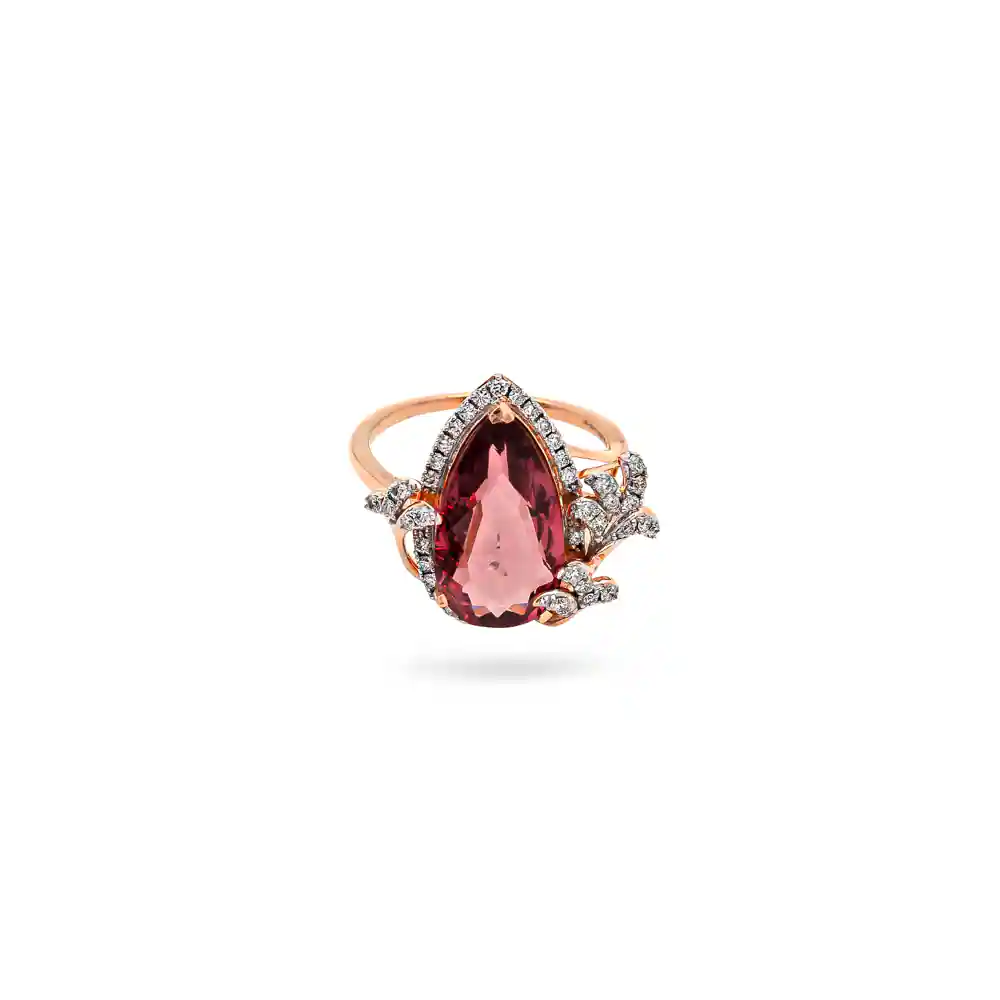
The 20s set the stage for loud and eye-catching diamond rings. Hence, the Halo was a coveted Setting in those times. Of course, it was not long before it came back into style again in the 80s, with Princess Diana's iconic blue sapphire engagement ring that was surrounded by a stunning halo of diamonds. This is one ring that most people recognize even today!
Prong Setting
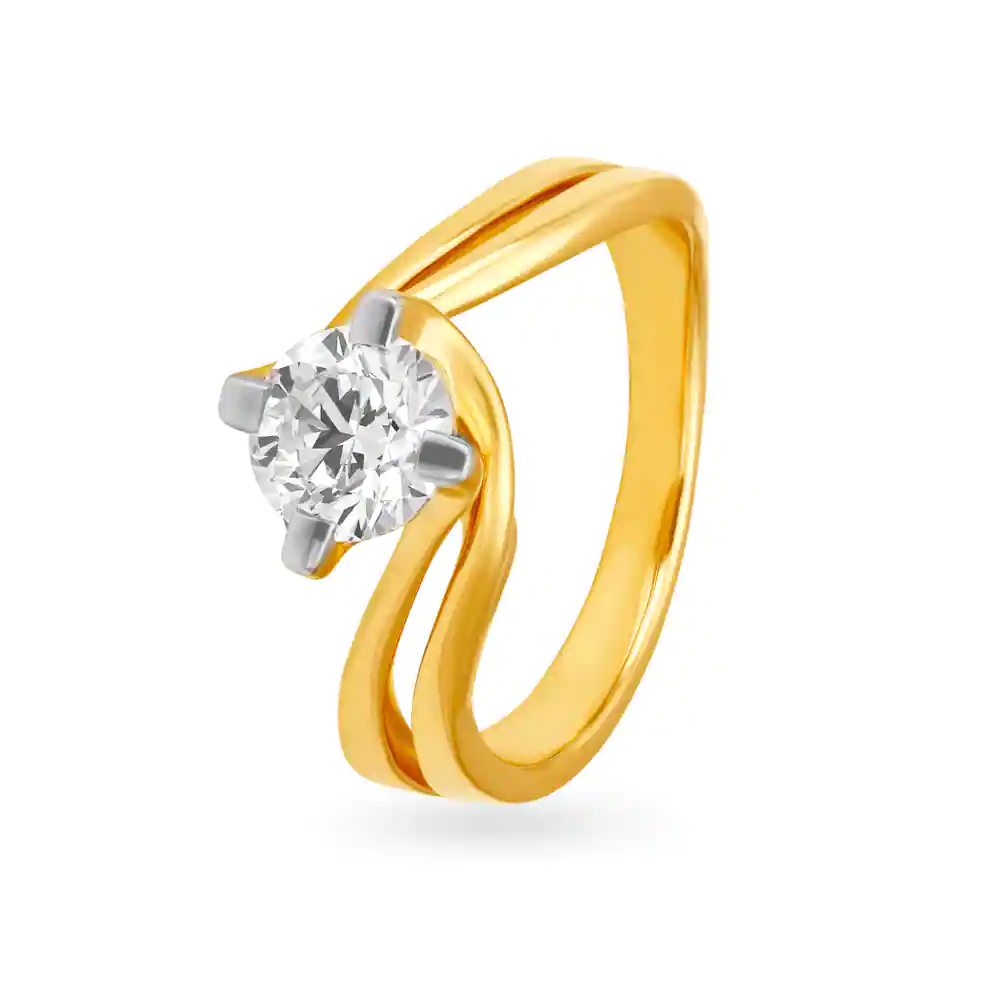
The Prong Setting is one of the most preferred settings for diamond rings as it suits most shapes. From Amal Clooney's emerald cut diamond ring to Jennifer Lopez's pink diamond engagement ring back in the day, the prong setting is a must-have if you're looking for a minimalist design with a large center stone.
Toi Et Moi
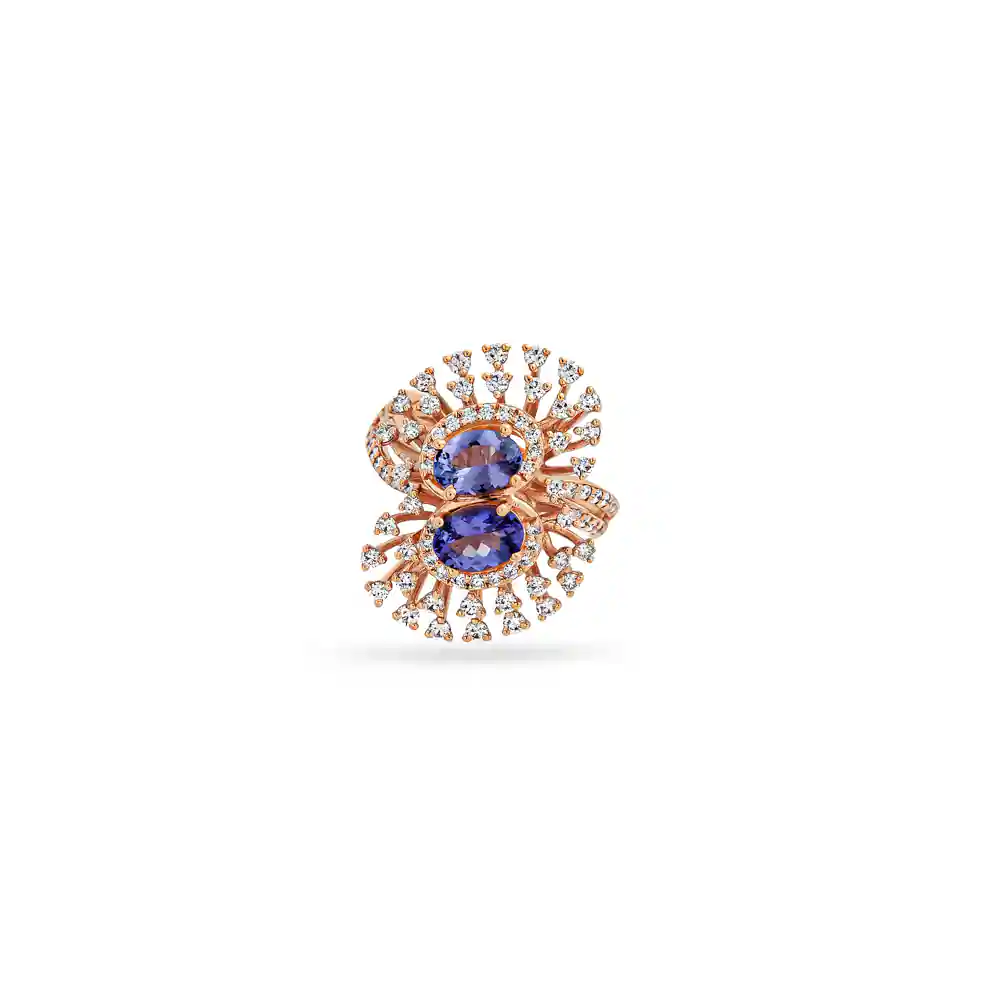
French for 'You and Me', this ring setting features 2 diamonds (or other precious stones) set side-by-side, to depict an ever-lasting relationship. It took the spotlight in the 50s for being Jackie Kennedy's engagement ring. Today, there are multiple iterations of this setting, and it is perfect for someone looking for a diamond ring design that turns heads and makes a statement.
Trilogy Setting
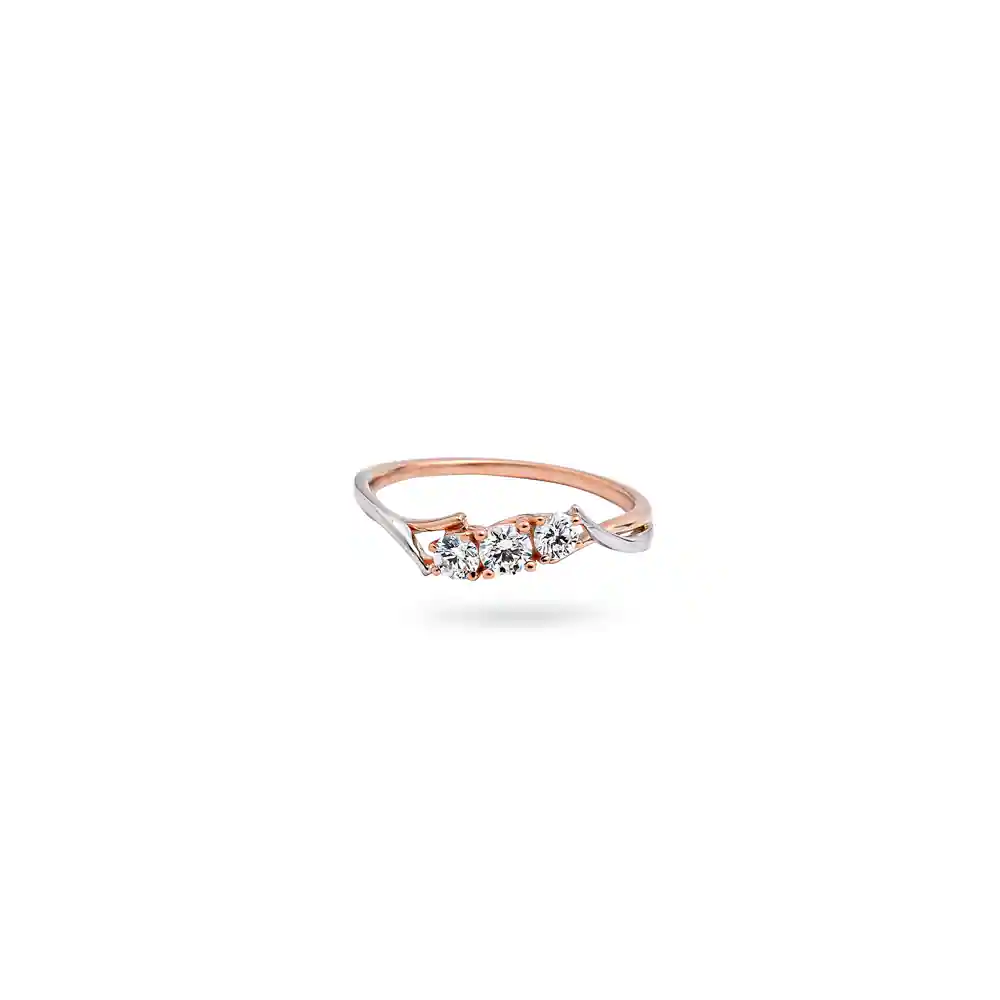
This setting holds a diamond ring design that artfully displays 3 diamonds next to each other. Depending on the frame of the ring, one can look at a channel or a pave set band that leads to the 3 central stones. Made iconic by Meghan Markle's engagement ring, this diamond ring for women exudes simplicity and sophistication.
Conclusion
Choosing a setting for diamond rings requires careful consideration. You must account for the type of cut and shape as well as how often you're going to wear the ring. We hope that the above settings inspire you and maybe even help you design your very own diamond rings for women. Remember that when it comes to shopping for diamond rings, you can always bank on the design available, or if need be, reach out for customizations.
If you enjoyed this article, how about learning a bit more about diamonds? Explore our Diamond Guide for more!

Search with an image and find the same or similar jewelry.
The file size should not exceed 6 MB
File size exceeds the limit